
Skip to Content
Keller-Heartt has Truegard Propylene Glycol Heat Transfer Fluids in both Inhibited and Food Grade! Order Today!
Propylene Glycol Available. Order Today!

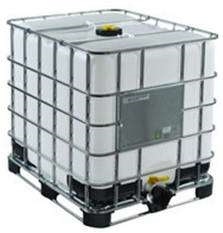
TRUEGARD Soluble 384 Coolant - 275 Gallon Tote

SKU 100188
Original Price $3,754.02 - Original Price $3,754.02
Original Price
$3,754.02
$3,754.02 - $3,754.02
Current Price $3,754.02
Truegard Soluble 384 in 275 Gallon Totes is the go to soluble coolant for versatile metalworking applications. This multi-purpose heavy duty coolant can machine aluminum alloys, titanium, Inconel, stainless steel, and all automotive steels.
At Keller-Heartt Oil, we are proud to carry TRUEGARD soluble 384 coolant in 275 gallon totes for high volume metalworking applications. TRUEGARD Soluble 384 is a general purpose soluble oil for light to moderate duty machining on a wide range of materials. 

TRUEGARD Soluble 384 coolant is high mineral oil containing soluble for easy to medium duty machining, including grinding, on a wide variety of materials including as well ferrous as non-ferrous metals.
Benefits *Bio-Stable formula reduces the need to dispose coolant, and saves on adding additional new coolant *No need for sump additives *Excellent lubricity and extreme pressure additives provide extended tool life, and increase production *Outstanding corrosion protection - for both machine and workpieces - provides parts protection Recommended Mixture: *General Machining: 6-9% *Grinding, Lith Machining: 3-4% * Typical Values:  *Appearance: Amber *5% Appearance: White *PH In Use: 8.2-8.7

  • Refractometer Factor: 1.1

Frequently asked questions

Find answers to common questions about our products and services
  • Soluble 384 is formulated to handle a wide range of ferrous and non-ferrous metals, including aluminum alloys, titanium, Inconel, stainless steel, and automotive steels. This broad compatibility makes it a practical single-coolant solution for shops working across multiple material types rather than needing separate fluids per application.

  • For general machining, mix at 6-9% coolant to water; for grinding or light machining, use a leaner 3-4% mixture. Heavier cuts generate more heat and require greater lubricity, justifying the higher concentration, while grinding typically needs more cooling than lubrication and can run on the leaner mix.

  • A bio-stable formula resists bacterial and fungal growth that causes coolant to sour and degrade quickly. In practice, this extends sump life significantly, reduces how often you need to dump and recharge the system, and eliminates the need for separate biocide or sump additives.

  • When measuring coolant concentration with a refractometer, multiply the refractometer reading by 1.1 to get the actual concentration percentage. For example, a reading of 7.0 on the refractometer indicates a true concentration of approximately 7.7%, helping you maintain the correct dilution ratio during sump top-offs.

  • A pH in the 8.2-8.7 range places the coolant in a mildly alkaline zone, which is intentional - it provides corrosion inhibition for both the machine surfaces and finished workpieces without being aggressive enough to attack softer metals like aluminum. Monitoring pH during use is a good indicator of coolant health; a significant drop can signal bacterial activity or coolant depletion.

  • Yes, it is generally recommended to clean and flush the sump before introducing a new soluble oil to avoid cross-contamination, which can compromise the new fluid's performance, stability, and corrosion protection. Residual old coolant or sludge can reduce the effective concentration and shorten the service life of the incoming fluid.