


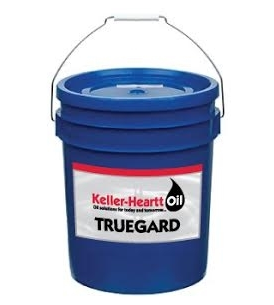

TRUEGARD Anti-Wear Hydraulic Oil AW 68 - 5 Gallon Pail
by Truegard
SKU 100105
Original Price
$154.35
-
Original Price
$154.35
Original Price
$154.35
$154.35
-
$154.35
Current Price
$154.35
TRUEGARD Anti-Wear Hydraulic Oils are premium performance mineral based hydraulic fluids prevents wear and transfers power formulated with patented TRUEGARD additive technology in combination with high quality base oils to meet the requirements of a wide range of industrial and mobile hydraulic applications. Used in garage trucks, backhoes, plastic injection molding and industrial machinery.
TRUEGARD AW 68 hydraulic oil is designed to meet the requirements of a huge range of applications, and at Keller-Heartt Oil, we have it available in 5-gallon pails for your convenience. With good thermal stability, excellent air release properties and good water separation characteristics, TRUEGARD AW 68 hydraulic oil is ideal for shops small and large. It's resistant to oxidation, has excellent anti-wear properties and moves easily through filters, preventing clumps and clogs that can cost you time and money. -Good thermal stability-Excellent antiwar-Resistant to oxidation
-Excellent filterability-Good water separation-Excellent air release
TRUEGARD OILS provide numerous performance features and benefits which allow end users to maximize their hydraulic systems' reliability and efficiency. TRUEGARD is formulated to provide excellent thermal stability which results in less chance for sludge formation, which can cause clogging of servo valves and actuators. Unique product chemistry provides antiwear to help protect piston, vane and gear pumps through a wide range of operating conditions. TRUEGARD is formulated to undergo ultra-fine filtration which is essential in today's hydraulic systems. Careful use of additives provides quick air release properties to help minimize pun cavitation. Good water separation properties help prevent the formation of water-in-oil emulsions and prevents consequent hydraulic system and pump damage.

