
Skip to Content
Keller-Heartt has Truegard Propylene Glycol Heat Transfer Fluids in both Inhibited and Food Grade! Order Today!
Propylene Glycol Available. Order Today!

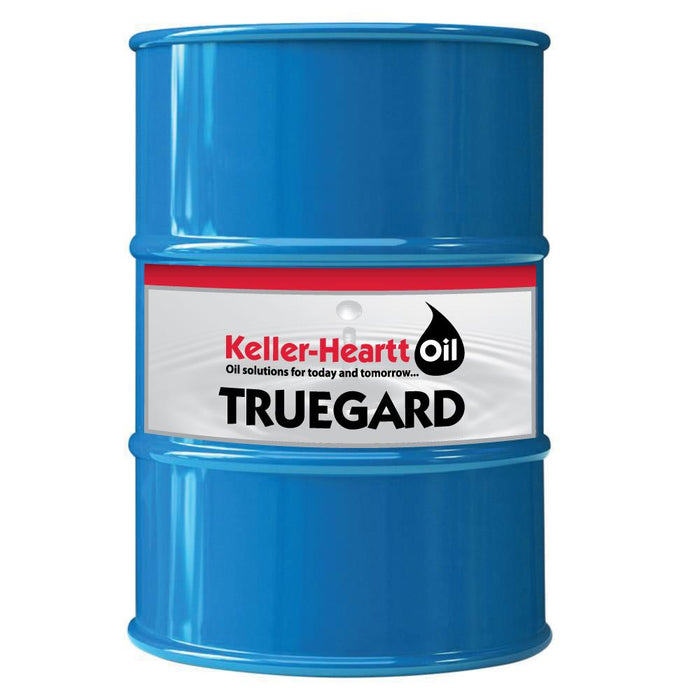
TRUEGARD AW 22 - 55 Gallon Drum

SKU TGAW22
Original Price $707.59 - Original Price $707.59
Original Price
$707.59
$707.59 - $707.59
Current Price $707.59
* THIS PRICE IS FOR 55 GAL

TRUEGARD Anti-Wear Hydraulic Oils are premium performance mineral based hydraulic fluids prevent wear and transfer power formulated with patented TRUEGARD additive technology in combination with high quality base oils to meet the requirements of a wide range of industrial and mobile hydraulic applications.


Used in garage trucks, backhoes, plastic injection molding and industrial machinery.

Looking for a premium-quality hydraulic fluid formulated with high-quality base oils? You're in the right place. Keller-Heartt Oil carries 55-gallon drums of TRUEGARD AW 32, which meets the requirements of a wide range of industrial and mobile hydraulic applications. TRUEGARD AW 32 features excellent anti-wear protection, it's resistant to oxidation, and it has good water separation characteristics. It moves easily through filters, has good thermal stability and excellent air release, as well. These 55-gallon drums are ideal for auto shops, factories and several other places where it's essential to take care of moving parts.

-Good thermal stability

-Excellent antiwar
-Resistant to oxidation
-Excellent filterability
-Good water separation
-Excellent air release

TRUEGARD OILS provide numerous performance features and benefits which allow end users to maximize their hydraulic systems' reliability and efficiency. TRUEGARD is formulated to provide excellent thermal stability which results in less chance for sludge formation, which can cause clogging of servo valves and actuators. Unique product chemistry provides antiwear to help protect piston, vane and gear pumps through a wide range of operating conditions. TRUEGARD is formulated to undergo ultra-fine filtration which is essential in today's hydraulic systems. Careful use of additives provides quick air release properties to help minimize pun cavitation. Good water separation properties help prevent the formation of water-in-oil emulsions and prevents consequent hydraulic system and pump damage.

Synthetic Oil vs. Mineral Oil - Which Should I Choose? There isn’t a universal standard of choosing between synthetic and mineral oil but there are many things to take into consideration during the decision making process.

Click Here To Read The Blog

Frequently asked questions

Find answers to common questions about our products and services
  • AW 22 is a lighter-bodied hydraulic oil, meaning it flows more easily at lower temperatures and is best suited for systems that specify a thinner fluid or operate in cooler environments. Heavier grades like AW 32 or AW 46 are better for high-pressure or high-temperature applications where a thicker film is needed; choosing the wrong viscosity can reduce efficiency or accelerate wear, so always verify the viscosity grade specified by your equipment manufacturer.

  • This oil is formulated for a wide range of industrial and mobile hydraulic applications, including garage trucks, backhoes, plastic injection molding machines, and general industrial machinery. It is designed to protect piston, vane, and gear pumps across varied operating conditions.

  • Poor thermal stability can lead to sludge formation, which clogs servo valves and actuators and reduces system efficiency; TRUEGARD is formulated for excellent thermal stability to minimize this risk. Quick air release properties help prevent pump cavitation, which can cause noise, loss of pressure, and long-term pump damage.

  • Good water separation (demulsibility) prevents water from mixing into the oil to form emulsions, which can corrode internal components and damage hydraulic pumps. TRUEGARD AW 22 is formulated to separate water effectively, helping to protect the system and extend fluid life.

  • TRUEGARD AW 22 is a premium mineral-based hydraulic oil, not a synthetic. Mineral oils are typically suitable for standard operating conditions and are often preferred for compatibility with existing seals and lower cost, while synthetics may offer advantages in extreme temperatures or extended drain intervals; the product page links to a detailed blog post comparing the two to help guide your decision.

  • The product data does not specify compatibility with other hydraulic fluid brands or formulations, so mixing is not confirmed. As a best practice, it is recommended to fully drain and flush the system before switching to a new hydraulic fluid to avoid additive incompatibility or performance degradation.